Right of Way Easements: Should Future Development Matter?
The New Zealand Supreme Court is scheduled to hear an appeal that could have important implications for property owners, developers, and neighbours who rely on shared accessways.
In Fuge v Wimax NZ Ltd SC 31/25, the Court will consider when structures built within the area of a right of way easement amount to an interference serious enough to justify legal action.
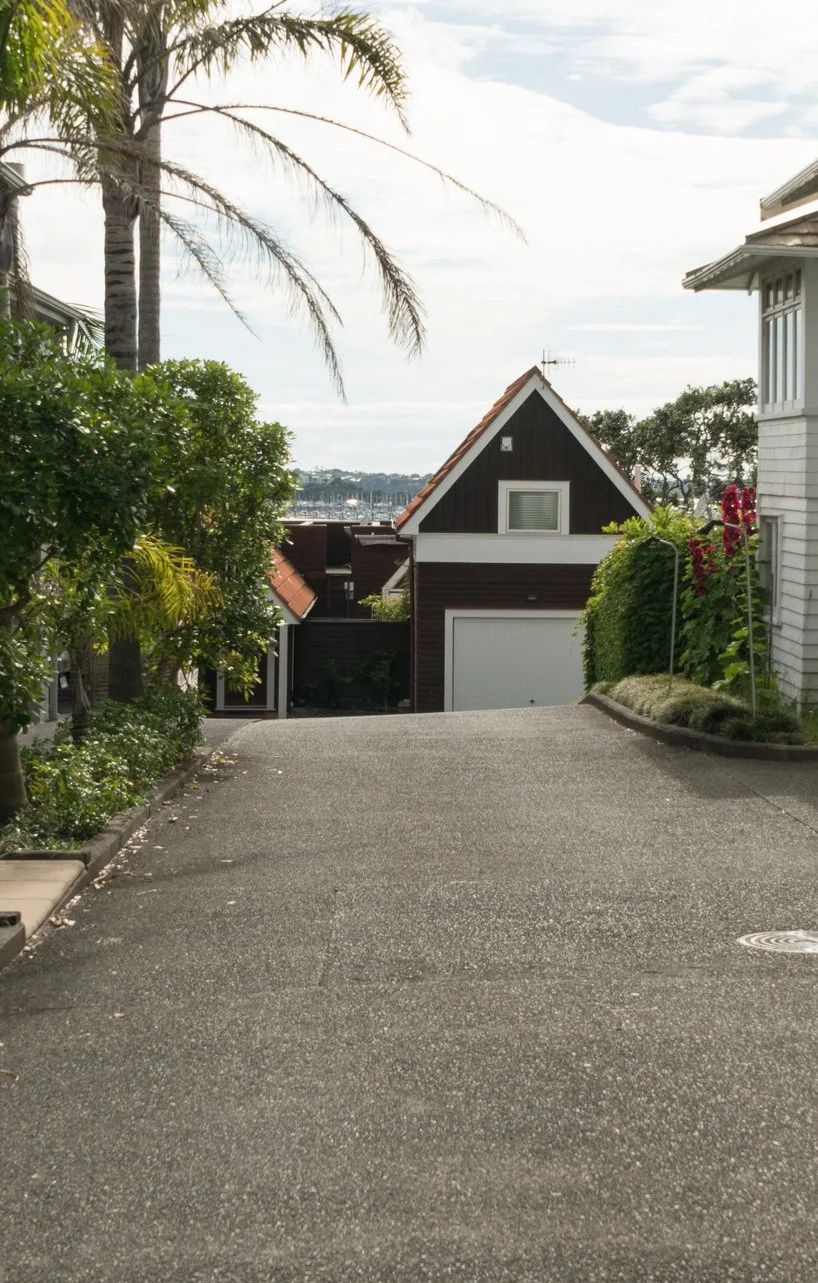
At the centre of the dispute is a relatively common situation: neighbouring properties sharing a driveway subject to a registered vehicular right of way easement.
The key legal question is whether interference with such an easement should be assessed based on the current use of the land, or whether courts can also take into account the reasonable possibility of future development of the benefiting property.
This issue is particularly relevant in rapidly developing regions like Queenstown and Wānaka, where increasing residential intensification and subdivision mean that accessways originally designed for single dwellings are often expected to service more intensive development.
The case
The case concerns two neighbouring properties connected by a shared driveway running approximately 145 metres from a public road to a beach. Although the easement area is around 6.2 metres wide, the sealed driveway itself varies between roughly 3.1 and 4.5 metres in width.
Between 2014 and 2016, the owner of the burdened land (being the land on which the right of way exists) constructed several structures, including retaining walls, stone walls and a concrete parking area. These structures were located within the area subject to the easement. In most circumstances, the construction of the structures within the right of way area would be a breach of the terms of the easement instrument.
The neighbouring owners objected and sought removal of the structures, arguing that the full width of the easement should remain clear to allow for a wider driveway. Their concern was largely future focused. If their property was subdivided or developed in the future, increased traffic flows might require the driveway to be upgraded or widened to the full width allowed for by the easement instrument.
Different approaches in the courts
An arbitrator initially found in favour of the landowner who had built the structures. The arbitrator concluded the structures did not obstruct the existing driveway and had not caused any substantial interference with the current use of the right of way.
The High Court took a different view. It held that the test for substantial interference should be assessed by reference to the entire area of the easement, not just the part currently used as a driveway. From that perspective, permanent structures within the easement area were inconsistent with the rights granted.
However, the Court of Appeal reversed that decision. Returning to common law principles governing easements, the Court held that substantial interference should generally be assessed by reference to the purpose of the easement and the present requirements of the benefiting land.
The Court of Appeal emphasised that there is no automatic requirement for the entire width of a right of way easement to remain unobstructed for possible future use. Instead, the assessment is one of “fact and degree”, focusing on whether the current use and enjoyment of the easement has been substantially interfered with.
Why the Supreme Court appeal matters
The Supreme Court will now consider whether the reasonable possibility of future development should be relevant when determining whether interference with an easement gives rise to a legal claim.
This issue has practical significance. Across New Zealand, many properties share driveways and accessways that were established decades ago. At the same time, increasing residential intensification means that properties once used as single dwellings may later be subdivided or redeveloped.
If courts must consider possible future development, landowners may need to keep the entire easement area free from permanent structures to preserve potential access upgrades. If the focus remains on present use, structures within the unused portion of an easement may be permissible so long as they do not materially affect existing access.
Practical implications for landowners
While the Supreme Court’s decision is still pending, the case highlights several practical points for property owners and developers:
Easement areas matter – even unused portions of a right of way can become contentious if structures are placed within them.
Future development plans may not always carry weight if they remain speculative.
Early legal advice is valuable when planning construction near an easement or when acquiring property with shared access.
The Supreme Court’s decision in Fuge v Wimax is expected to provide helpful guidance on how courts balance present land use with potential future development when interpreting easement rights.
For property lawyers, developers, and landowners alike, it will be a closely watched case. One that will clarify an issue that frequently arises, and will have implications now and in the future.
Next steps
Our advice is to seek legal guidance early in a project to make sure you’re protected against potential future issues. If you need advice on rights of way, easement terms, or how proposed works might impact access, our Property Experts can help. Contact the team at enquiries@toddwalker.com or +64 (03) 441 2743.